
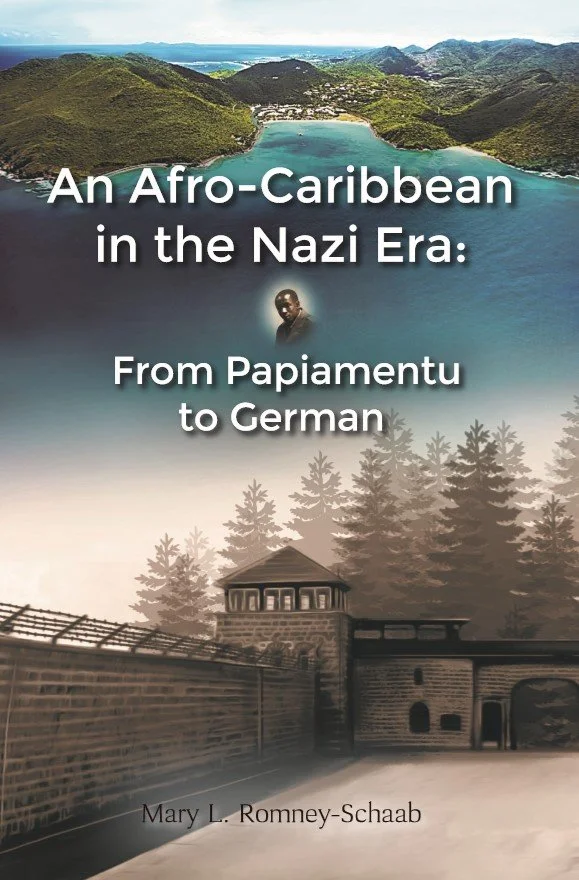
A Caribbean History Rarely Spoken Aloud - Survival under Nazi Captivity
Featured Black History Month Author
Mary L. Romney Schaab is a Caribbean writer bringing forward an overlooked history of Black experience under the Nazi regime—rooted in family memory, historical silence, and survival.
Below, she reflects on her father’s survival, the decades of silence that followed, and her journey to preserve a history shaped by silence.
To learn more and purchase her book, visit her website!
Words from the Author,
Mary Romney-Schaab
Many parts of Black history—and Caribbean history—remain largely untold. Growing up, I didn’t realize just how much of our past had been left in the margins, quietly overlooked. For a long time, I carried questions I didn’t yet know how to ask.
Did Black people exist inside the Nazi concentration camp system?
Were Afro-Caribbean people imprisoned there?
Were Black people deliberately excluded—or simply erased—from the historical record of World War II?
And were concentration camps only located in Germany?
If you’ve ever assumed the answer to these questions was “no,” you’re not alone. I did too—until my father’s life forced me to confront the truth.
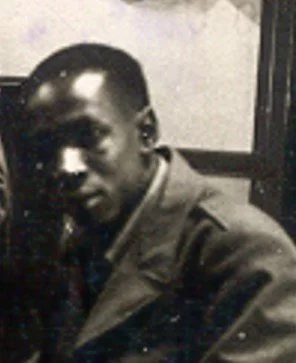
Lionel Romney, July 17 1945
My father, Lionel Romney, was born in St. Maarten. He was an Afro-Caribbean merchant sailor, an ordinary man living an ordinary life, until World War II swept him into a nightmare he never could have anticipated. Through a series of circumstances shaped by global politics, chance, and violence, he became one of the very few Black men imprisoned in the Nazi concentration camp system—and one of even fewer who survived.
For years, I didn’t know this story. My father almost never spoke about what happened to him. Between 1940 and 1944, he was held as a civilian internee in a series of camps in Italy. In the final year of the war, he was transferred to Mauthausen, one of the most brutal concentration camps in Austria. There, he endured starvation, forced labor, and relentless inhumanity. He witnessed atrocities that stayed with him for the rest of his life.
The trauma silenced him.
For more than forty years, he said almost nothing about his imprisonment. And for more than twenty years, I gently—and sometimes desperately—tried to understand what he had lived through. Eventually, he agreed to speak. What followed were a series of oral history interviews in which my father, at last, told his story in his own words. Those conversations form the heart of this book.
This is not only his story. It is also mine.
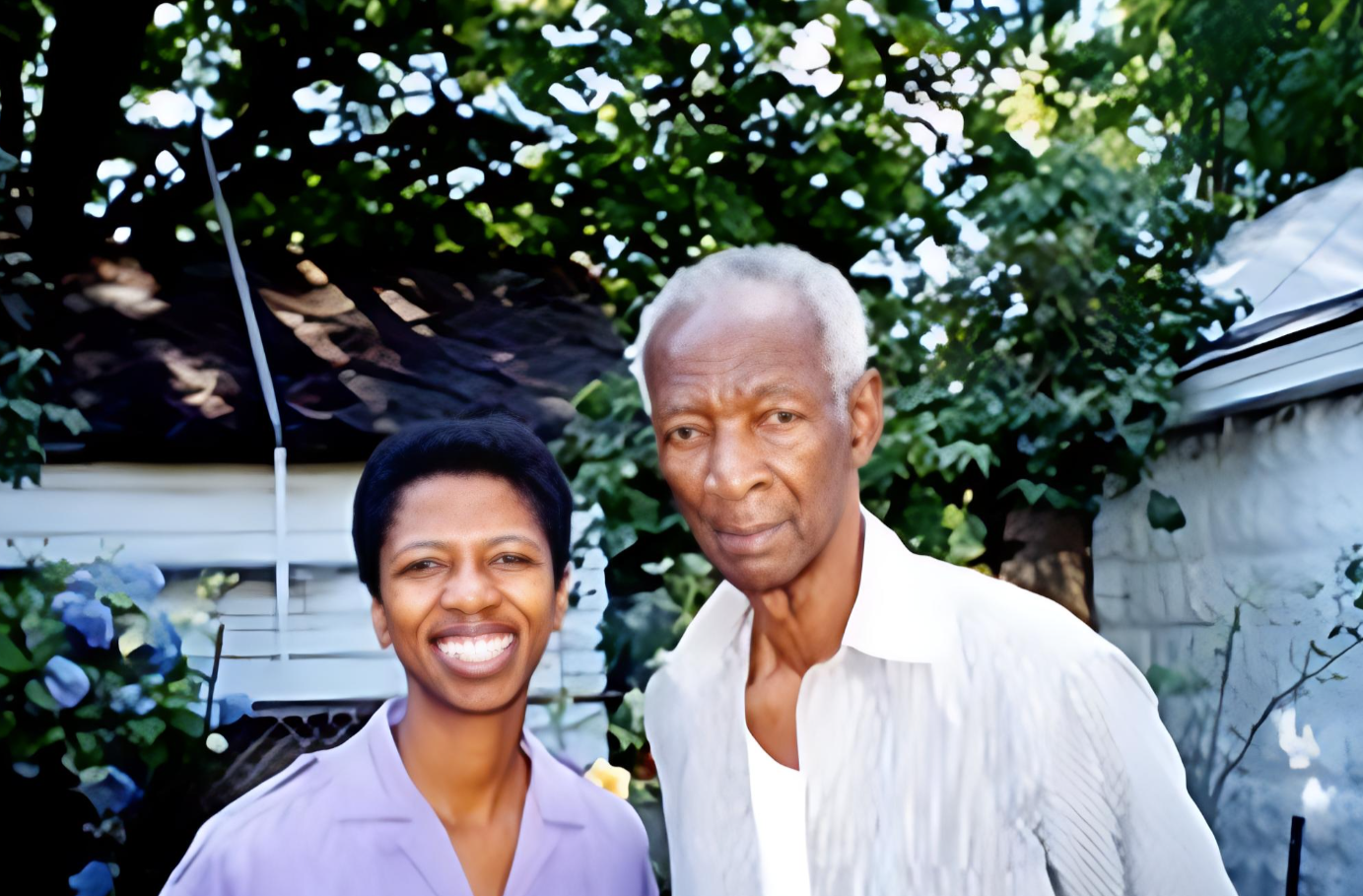
Mary and her Father, Lionel Romney
After my father’s death, I traveled to Italy and to Mauthausen myself, walking the same ground where he had suffered and survived. That journey—both physical and emotional—became inseparable from the history I was trying to preserve.
This book lives at the intersection of oral history, memoir, and historical context. It is embedded in Black history, Caribbean history, and the broader history of World War II—but at its core, it is a human story: the story of a father who survived the unthinkable, and a daughter who spent a lifetime learning how to listen.
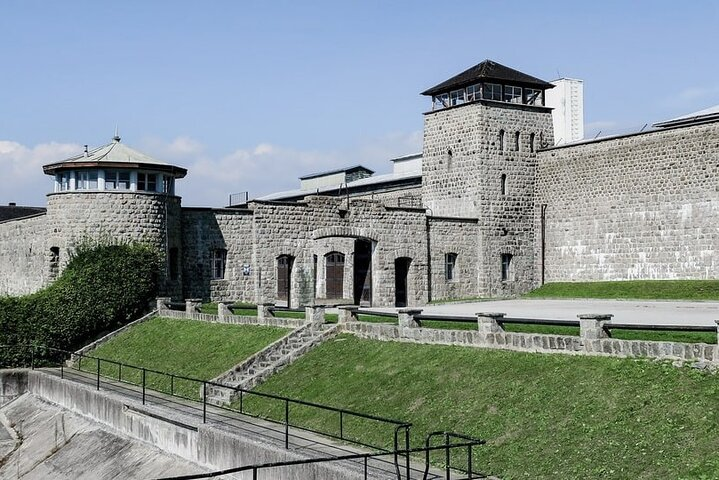
Mauthausen concentration camp